

EP STUDIO
The right stories, in the right rooms.
Home
Home
About us
About us
Selected Works
Selected Works
Services
Services
Working With Us
Working With Us
Contact
Contact
August 26, 2026
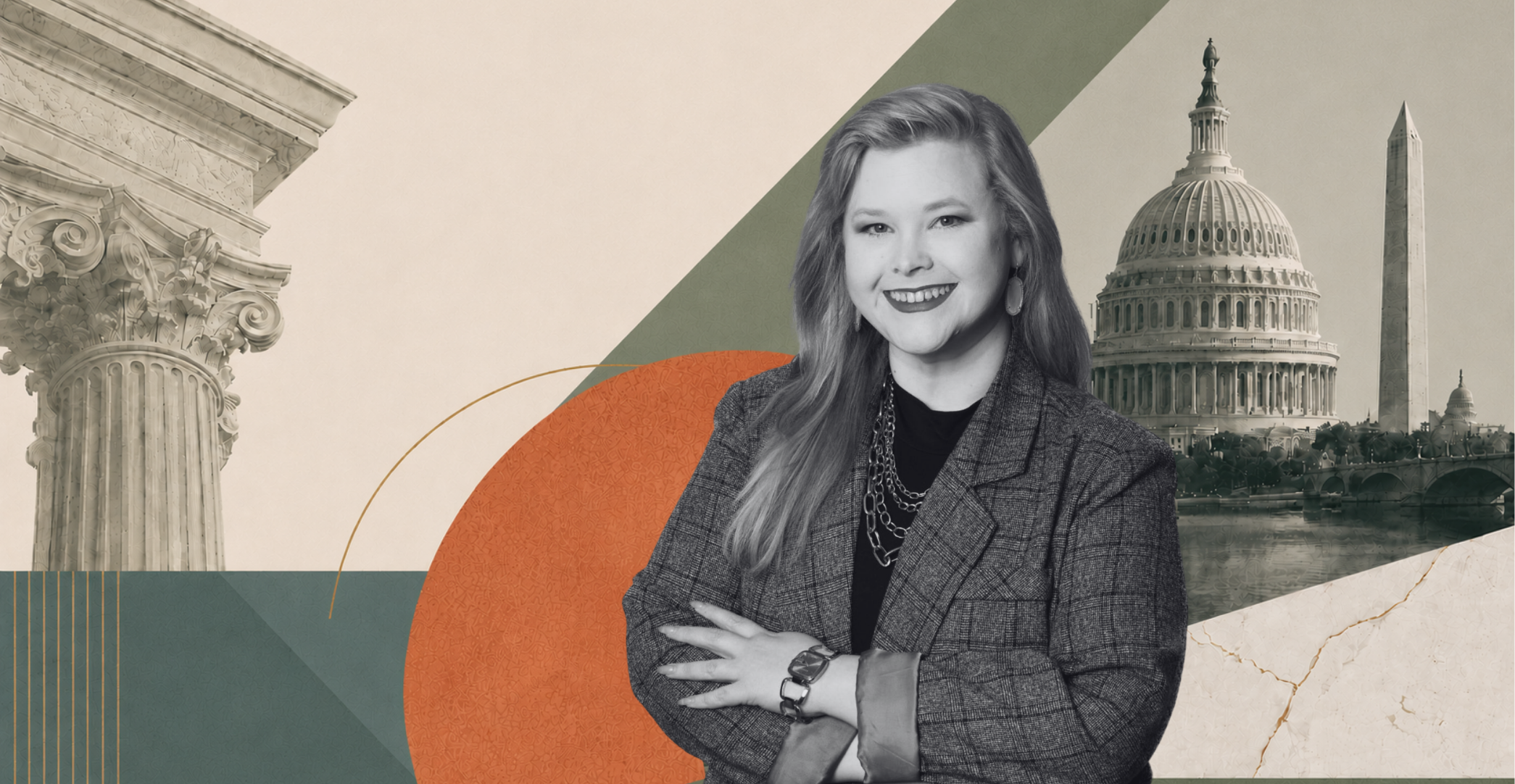
The Take with Ethel Mwedziwendira is a monthly conversation with the professionals redefining how their industries operate. Every issue spotlights one person doing work worth knowing about, across fields and across regions.
The legal system has never been built for speed. But the gap between what technology can do and what the law can address has never been this wide. Artificial intelligence is reshaping how people are hired, diagnosed, surveilled, and harmed, and the frameworks meant to protect them have not caught up. Kimberly Russell built The Russell Law Firm specifically for that gap. A former journalist turned litigator, she represents clients facing harms that do not yet have clean legal categories, at a moment when the profession itself is being forced to reckon with what comes next. I sat down with Kimberly to talk about the cost of that lag, what journalism gave her that law school did not, and why she believes the next ten years will reshape the legal profession entirely.
What is the most efficient, ethical use of AI in litigation? How can lawyers deploy technology in a way that furthers their strategy but protects their license?
Journalism shapes my work every day. It allows me to think through complex problems, synthesize them into understandable pieces, and create a plan to execute. That skills is crucial for creating buy-in and persuasion.
We are seeing technology actively reshaping every part of what it means to be a lawyer. From AI implementation to private equity acquiring firms, it is an unprecedented time for a rather slow-moving industry. I think younger attorneys or attorneys early in their careers have to pay attention to the shifting landscape because we are the ones facing the biggest risk from the restructuring. As equity partners cash out on their firms, non-equity lawyers will see less financial upside to what they do. This also means there is more incentive for lawyers to strike out on their own. With cheap technology and remote work places, it's never been easier to start a legal venture. But hanging a shingle comes with its own risk. We are at the experimental moment with this technology and the ethical implications are not as black-and-white as they've been for the profession in the past. The next ten years will dramatically reshape the industry.
I think it's largely invisible because people aren't thinking through tech as a cause of injury. Up until now, people see harm occurring between a person and another person, or a person and a company. I try to explain to folks that the defects in algorithms are just like a tangible defect in a drug or other physical product.
Most people think that preparation has to do with rehearsing. The mistake is trying to have a perfect line memorized for every question asked. The goal should be to listen to what is being asked and figure out how to communicate what you what the other side to understand. Listening and comprehending questions? That's the bulk of prep. Sounds easy... but the nerves are a harder barrier than anyone anticipates.
Moving to New York City. I left Mississippi to litigate in NYC and hadn't really considered moving there before the job. Taking that risk was a bet that paid off.
Non-partisan efforts around responsible, ethical implementation of technology and AI.
Kimberly built her practice at a moment when the legal profession is being asked questions it has never had to answer before. She is not troubled by that. She is energized by it.
